
Wide-area coverage
Covers rural areas, neighborhoods, industrial sites and remote assets with proper gateway and antenna planning.
Dashify progetta reti a lungo raggio e basso consumo, collega gateway e dispositivi e trasforma telemetria in dashboard, avvisi, ordini di servizio, comandi e automazioni operative.
Scopri l'esecuzione Dashify per reti LoRaWAN: ingegneria di copertura, sensori, gateway, telemetria, mappe, avvisi, ordini di servizio e integrazioni.
LoRaWAN is a networking protocol for sensors and actuators that exchange small data packets over long distances. It prioritizes battery life, coverage, security and scale for periodic readings, states, events and controlled commands.
Low Power Wide Area Network: a network category designed for broad coverage, low data rates and devices that must operate for long periods with limited energy.
Covers rural areas, neighborhoods, industrial sites and remote assets with proper gateway and antenna planning.
Supports efficient transmission cycles for battery-powered or small solar-powered sensors.
A managed architecture registers devices, deduplicates messages and routes data to authorized applications.
Gateways can use Ethernet, fiber, Wi-Fi or cellular connectivity as backhaul to the network server.
Dashify evaluates purpose, topology and operational capabilities to distinguish radio modulation from a managed IoT network and select the appropriate architecture.
The long-range radio modulation technology. It provides the physical link but does not define registration, security, routing, management or network integration.
Best suited forRadio foundation for custom solutionsAdds protocol, authentication, device classes, gateways, a network server and application integration to operate IoT at scale.
Best suited forManaged sensors and actuatorsAn open LoRa mesh messaging system for communication among users and devices beyond conventional coverage.
Best suited forOff-grid messaging between peopleLightweight firmware for decentralized routing among LoRa nodes. It is a communication mesh rather than a gateway-and-server IoT network.
Best suited forSimple distributed mesh networksDirect communication between two devices without gateways or a network server. It is simple for specific links but limited in governance and scale.
Best suited forDirect controlled linksDevices transmit by radio, one or more gateways forward packets, the network server validates and organizes traffic, and the platform turns data into operations.
Sensors and actuators measure variables, detect events or execute commands according to their class and power policy.
Uplinks, downlinks, OTAA and Classes A/B/CReceive packets from every in-range node and forward them without binding each sensor to a single gateway.
Outdoor, indoor, Ethernet, fiber or cellularAuthenticates devices, removes duplicate messages, manages ADR, selects gateways and routes valid data.
Join Server, Network Server and AES securityDecodes payloads, organizes assets, displays maps and metrics, and triggers flows, alerts, integrations and work orders.
MQTT, HTTP, APIs, dashboards and automationsThe same uplink may reach several gateways. The server deduplicates copies and keeps the best available path for the application and possible downlinks.
The regional frequency is only the beginning. Environment, power, protection, antenna, connectors, firmware and maintenance determine real-world performance.
The team validates sensors, payloads, joins, coverage and integrations with boards and bundles before scaled acquisition.
Ready devices for temperature, humidity, level, pressure, energy, presence, soil, air quality and digital states.
Mobile nodes with GNSS, BLE or motion sensing for assets, people, livestock, loads and checkpoints.
Indoor or outdoor concentrators connecting the radio layer to the network server through reliable IP backhaul.
Radios and modules for manufacturers adding LoRaWAN to meters, controllers, equipment and proprietary products.
Antennas, cables, connectors, surge protection, power supplies and enclosures determine loss, safety and availability.
Every device implements Class A. Classes B and C add receive windows for applications needing more predictable or faster downlinks.
Opens two short receive windows after each uplink. It maximizes battery life and works well when the device initiates communication.
Lowest powerEnvironmental, soil, leak, waste, parking and asset tracking applications.Adds beacon-synchronized periodic receive windows, reducing downlink wait without continuous reception.
Intermediate powerScheduled commands, device groups and operations requiring predictable latency.Keeps reception open almost continuously, providing the lowest downlink latency with higher power demand.
Highest powerStreet lighting, alarms, meters and usually mains-powered actuators.LoRaWAN architecture serves operations with many measurement points, low power consumption and no dependency on Wi-Fi or a cellular subscription per device.
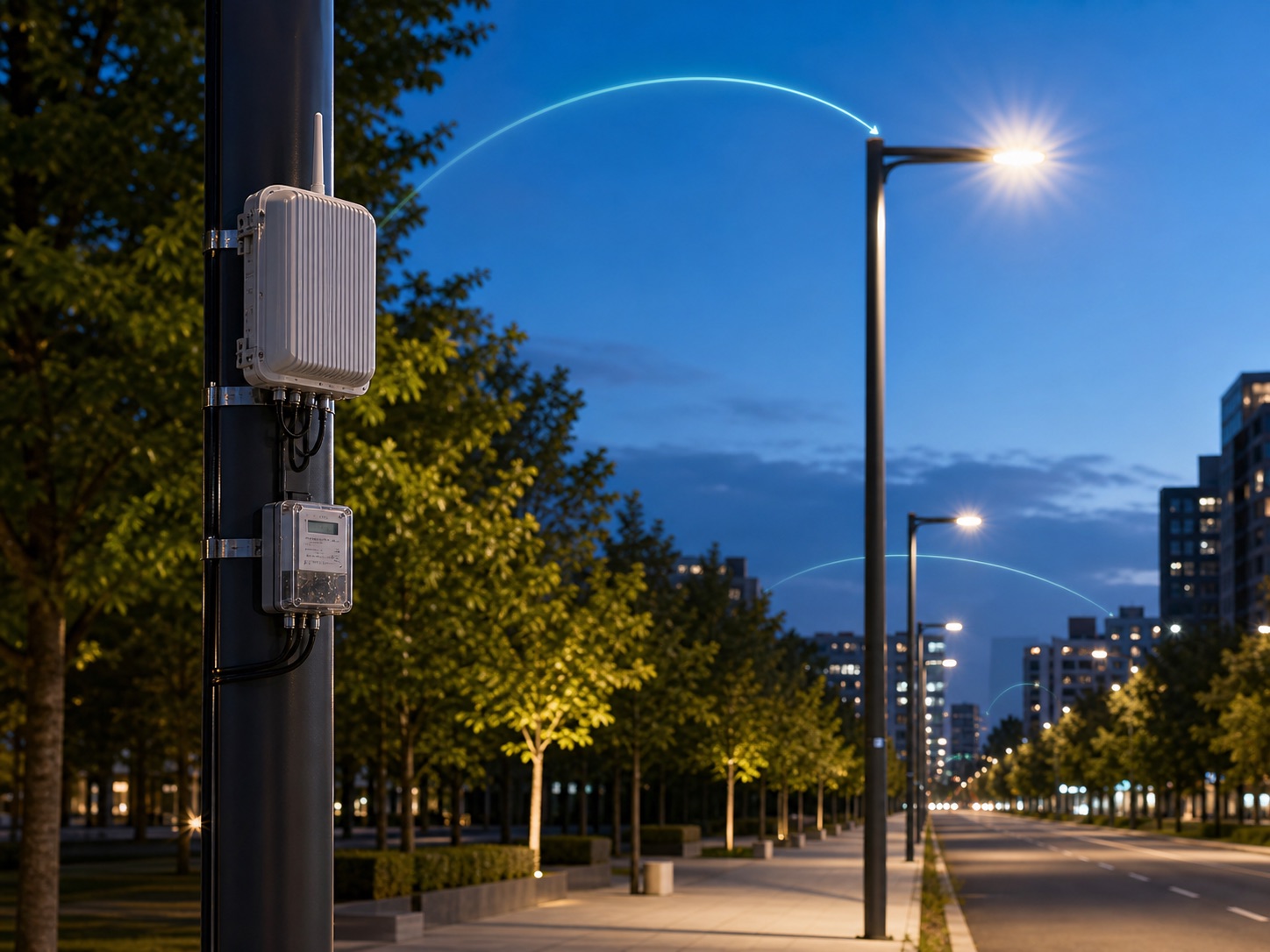
The solution monitors luminaires, faults, consumption and controller status and applies commands according to device class and operational policies.
Faults, energy, availability and commands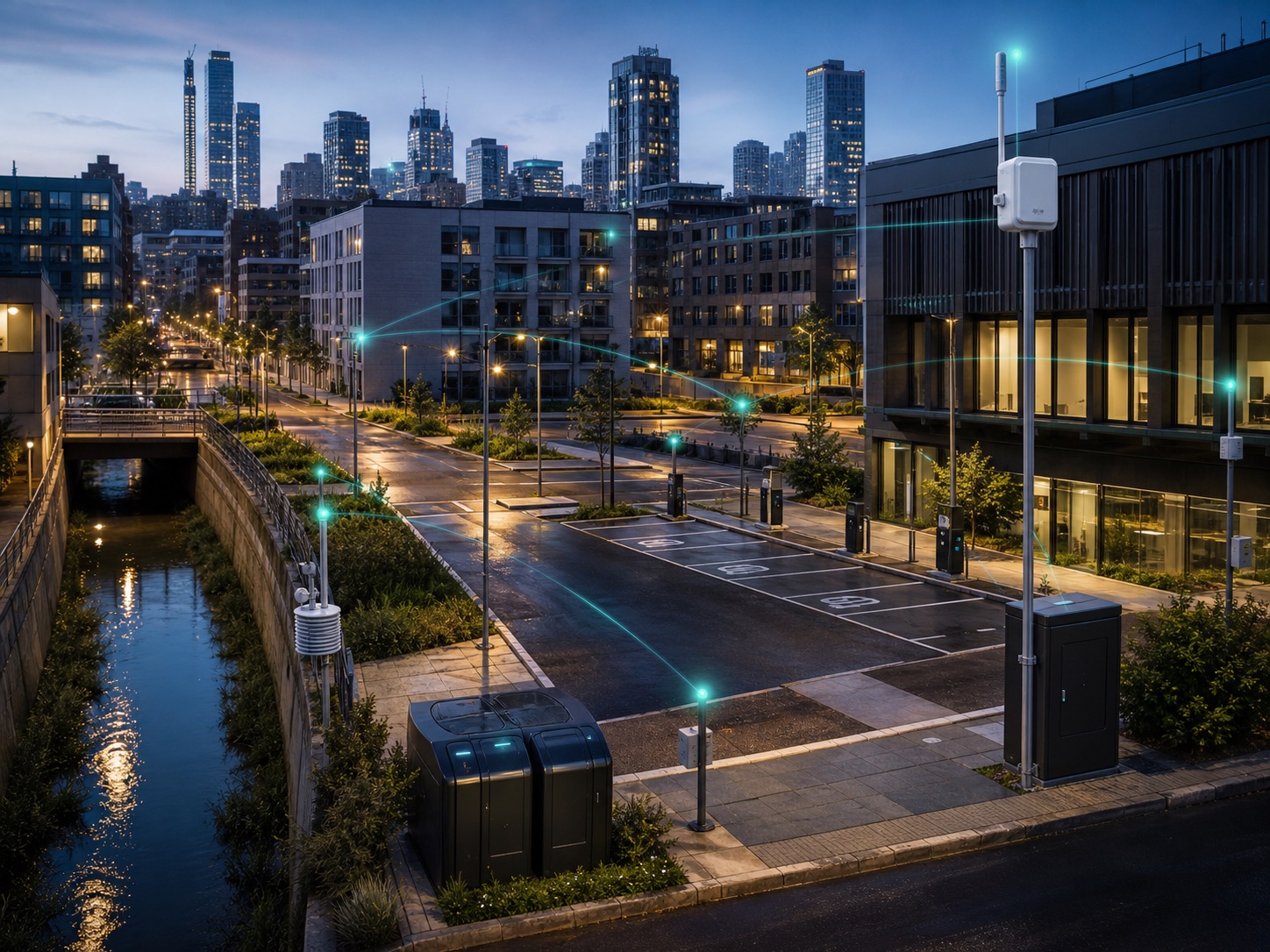
Parking, waste, air quality, flooding, noise and roadside cabinets are connected across the city.
Level, presence, environment and critical events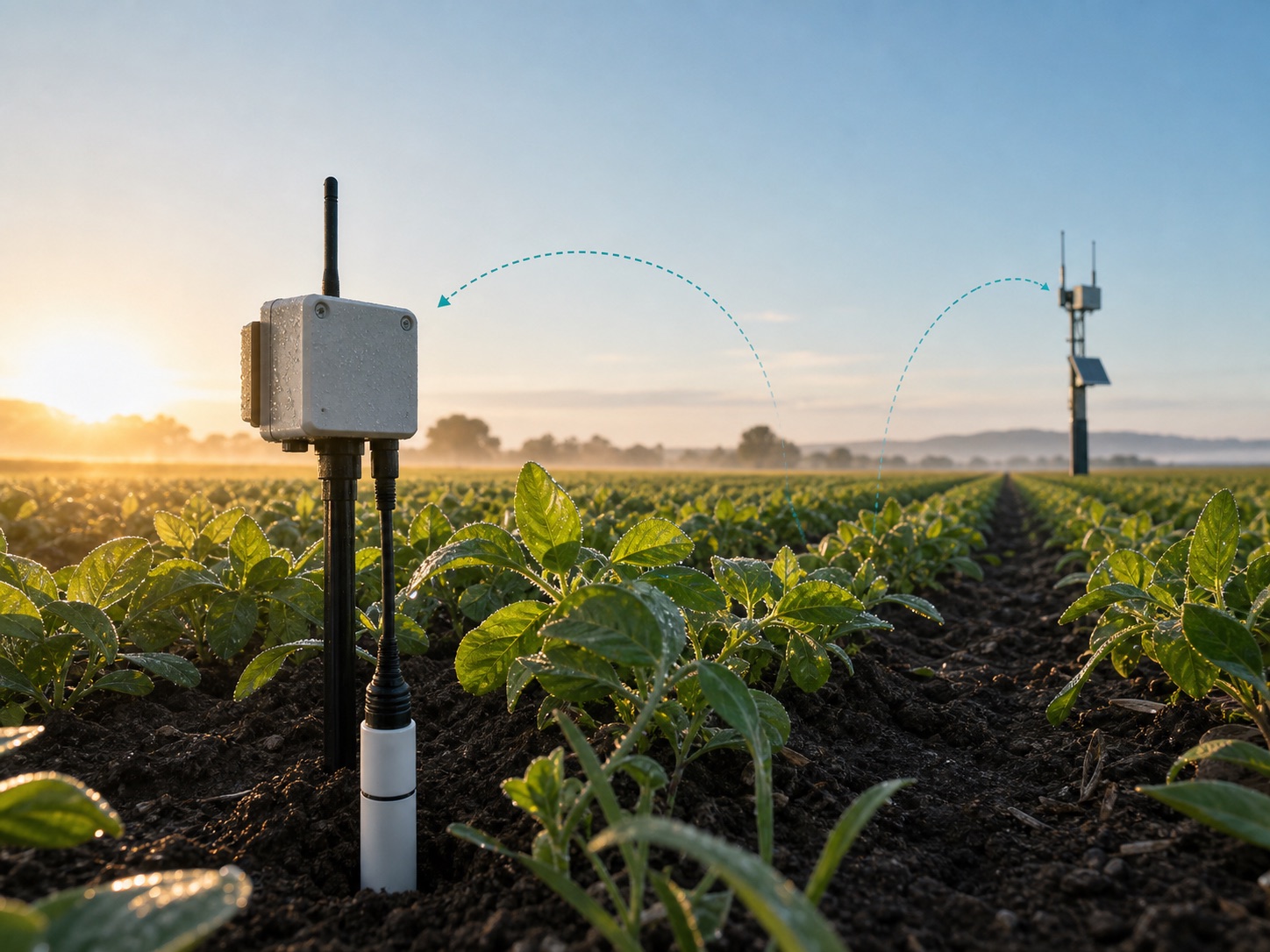
Moisture, temperature, conductivity, rainfall and environmental conditions are compared across fields, greenhouses and crop zones.
Soil, climate, rainfall, CO2 and humidity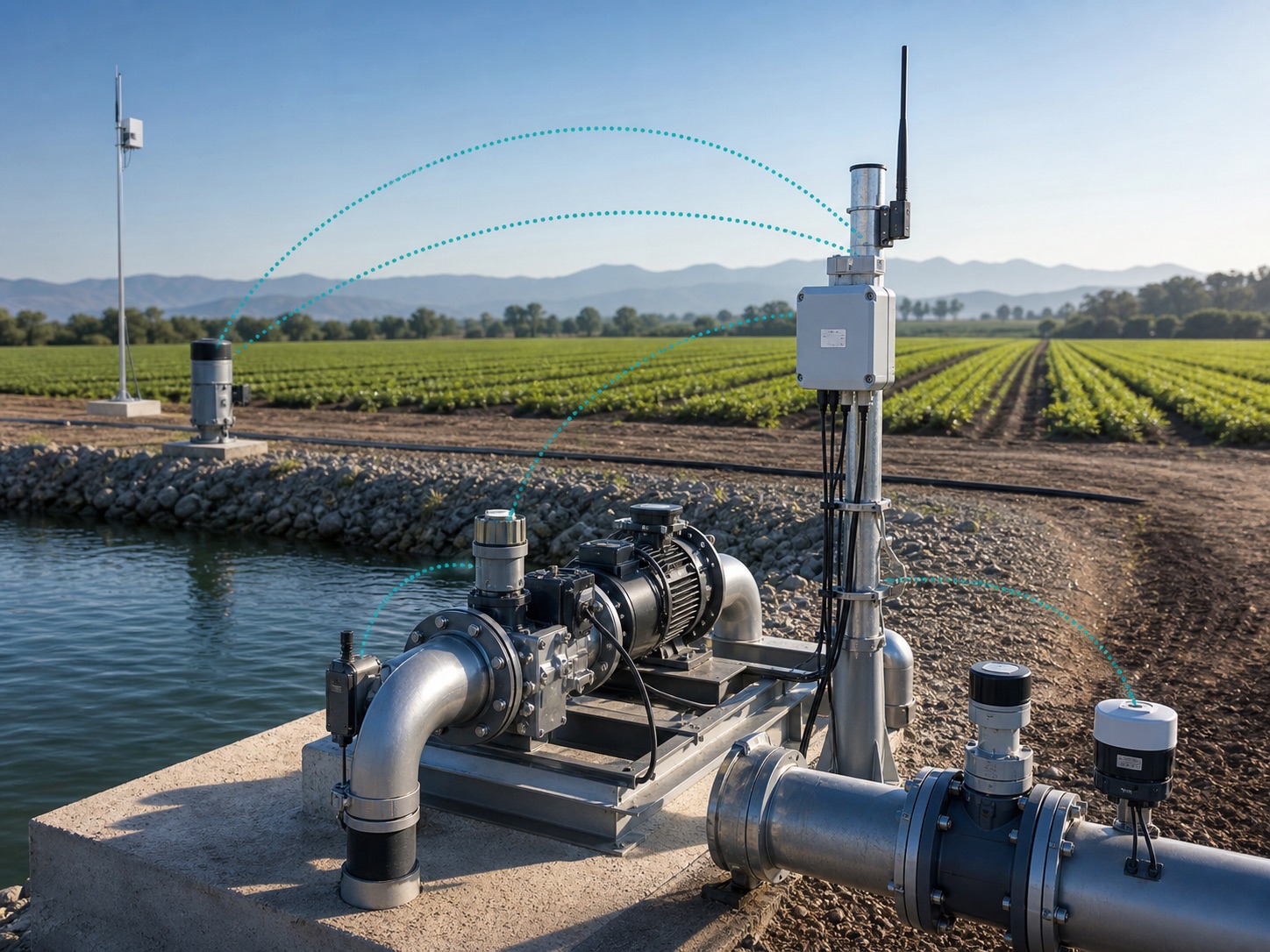
Reservoirs, flow, pressure, pumps and valves are monitored to detect anomalies and guide irrigation.
Level, flow, pressure and pump status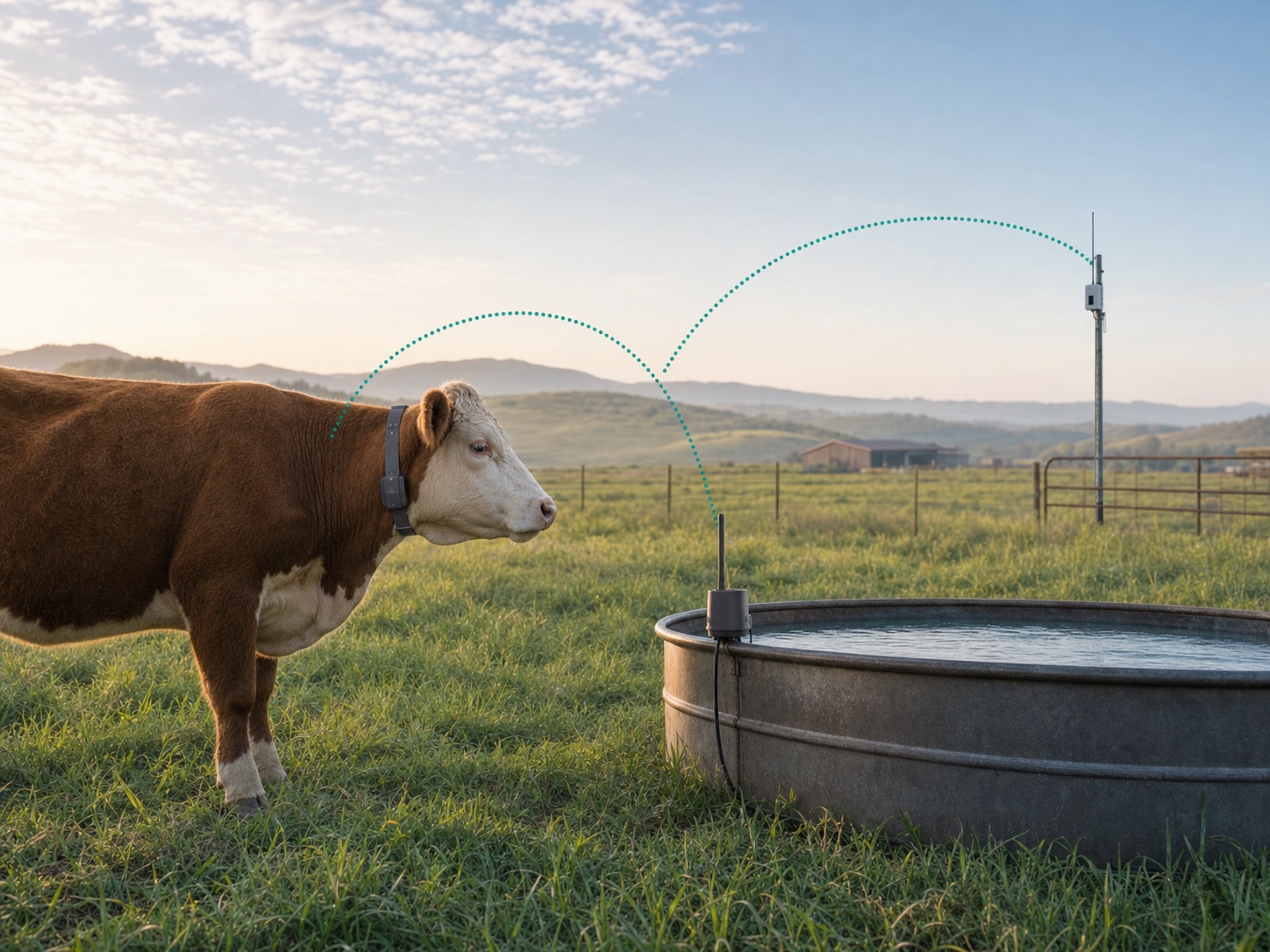
Low-maintenance devices record motion, checkpoints, fences, water troughs and field conditions.
Periodic location, motion and supply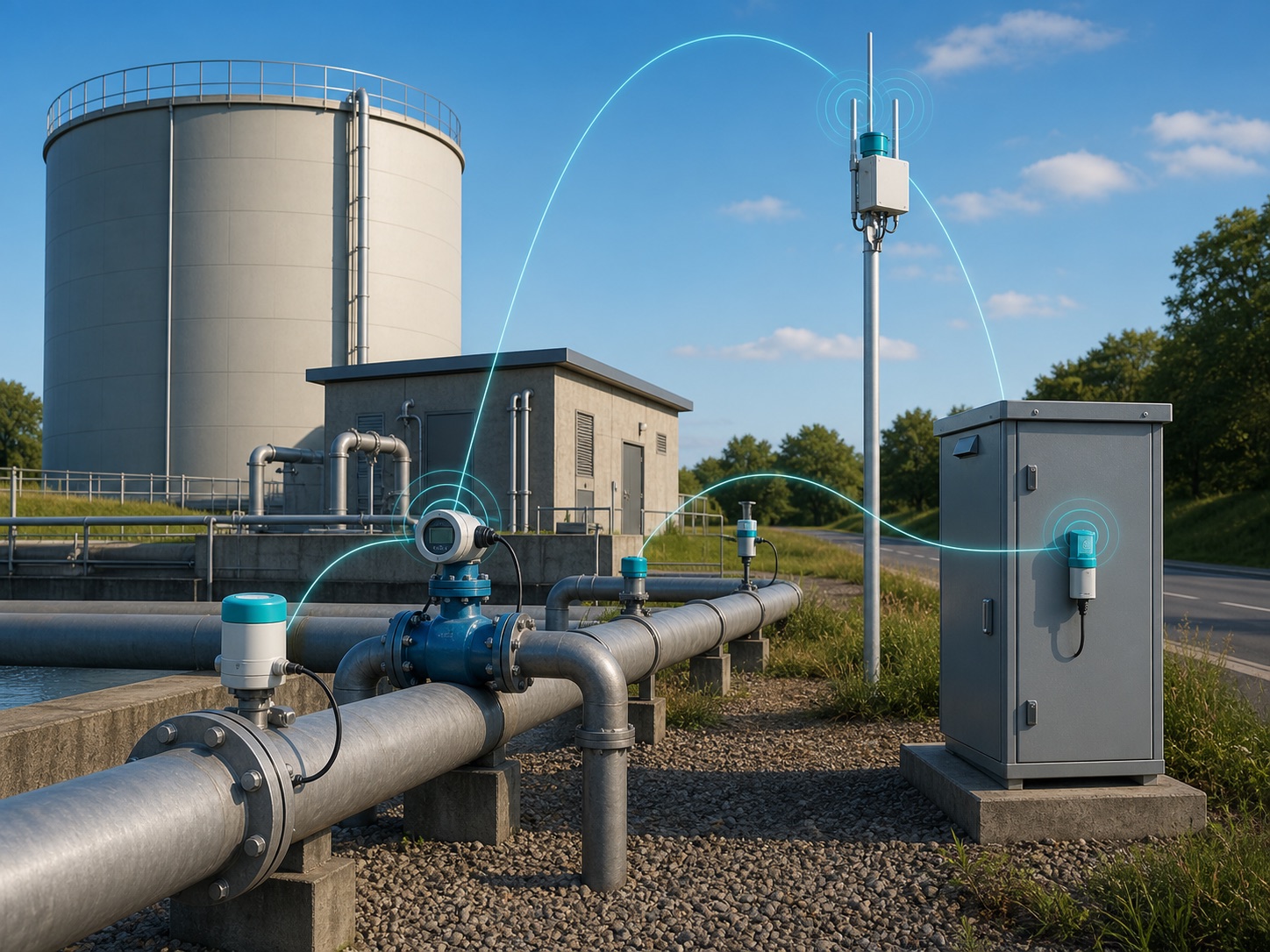
Meters, tanks, stations, pressure, leaks and electrical states are monitored across dispersed or unattended infrastructure.
Metering, pressure, level, losses and alarms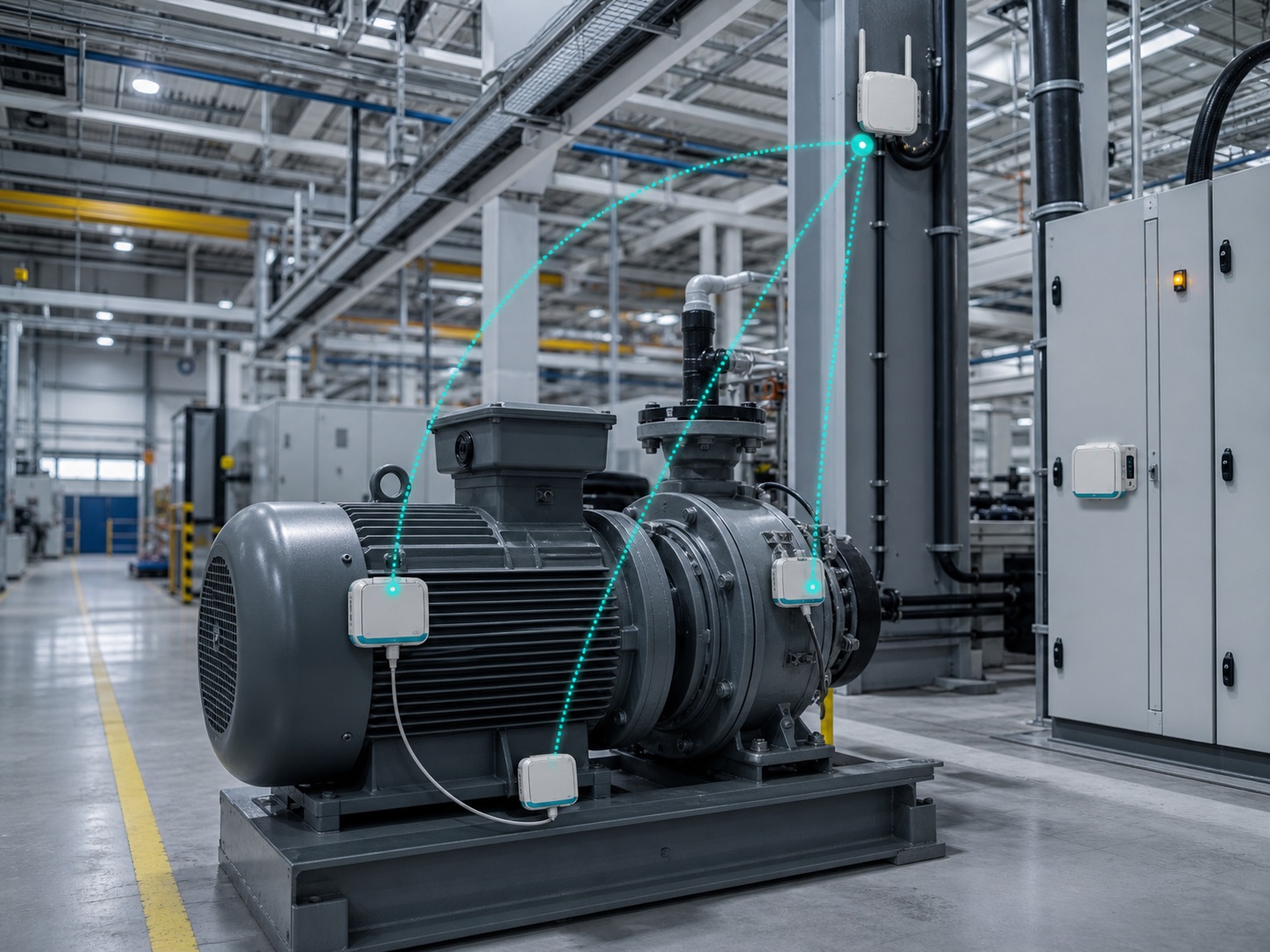
Lightweight telemetry connects equipment, warehouses, cold rooms, panels and outdoor areas without replacing critical industrial controls.
Temperature, vibration, status and environment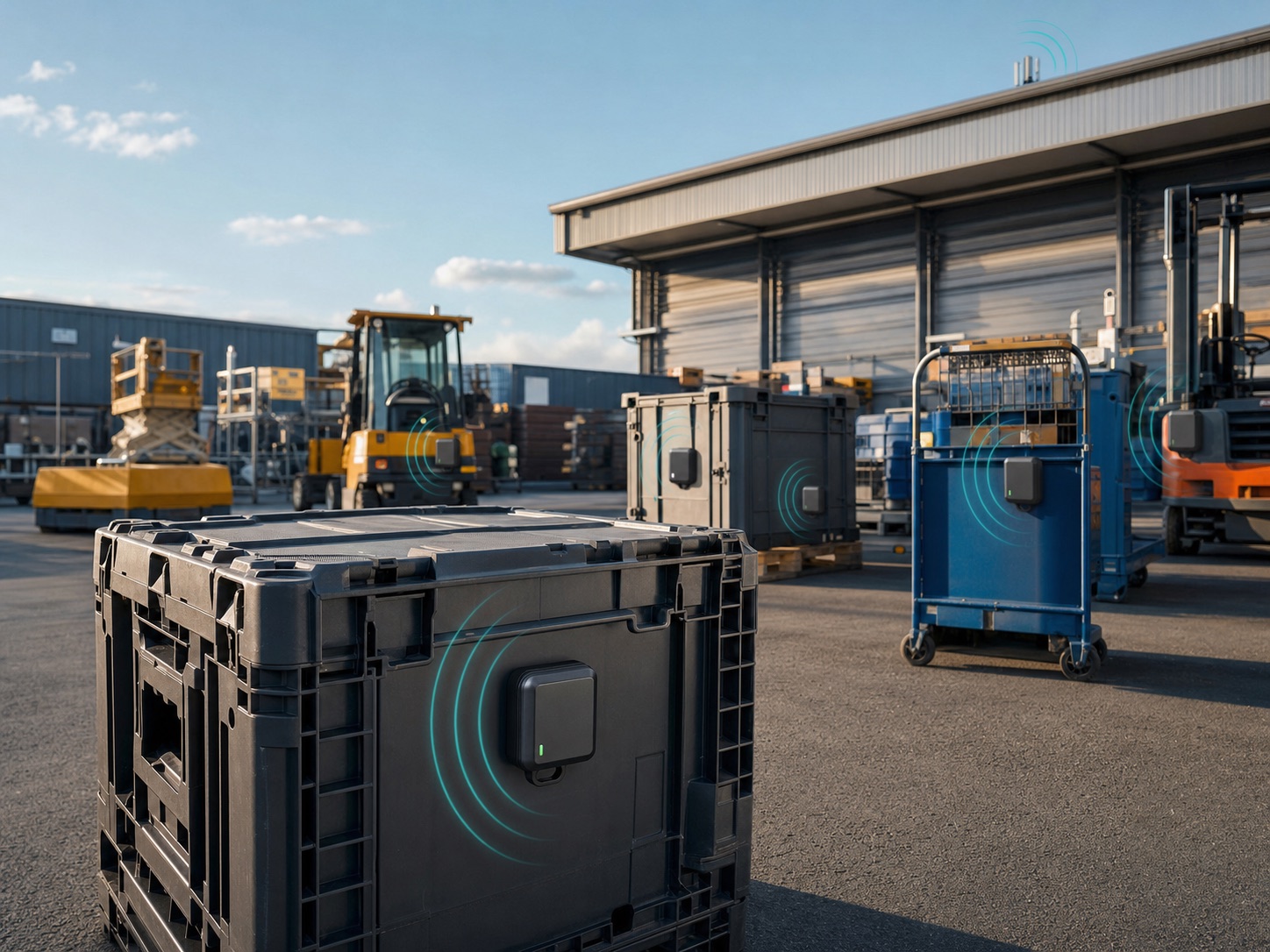
Tools, crates, slow vehicles, equipment and checkpoints receive periodic visibility without continuous streaming.
Motion, checkpoints, location and inventory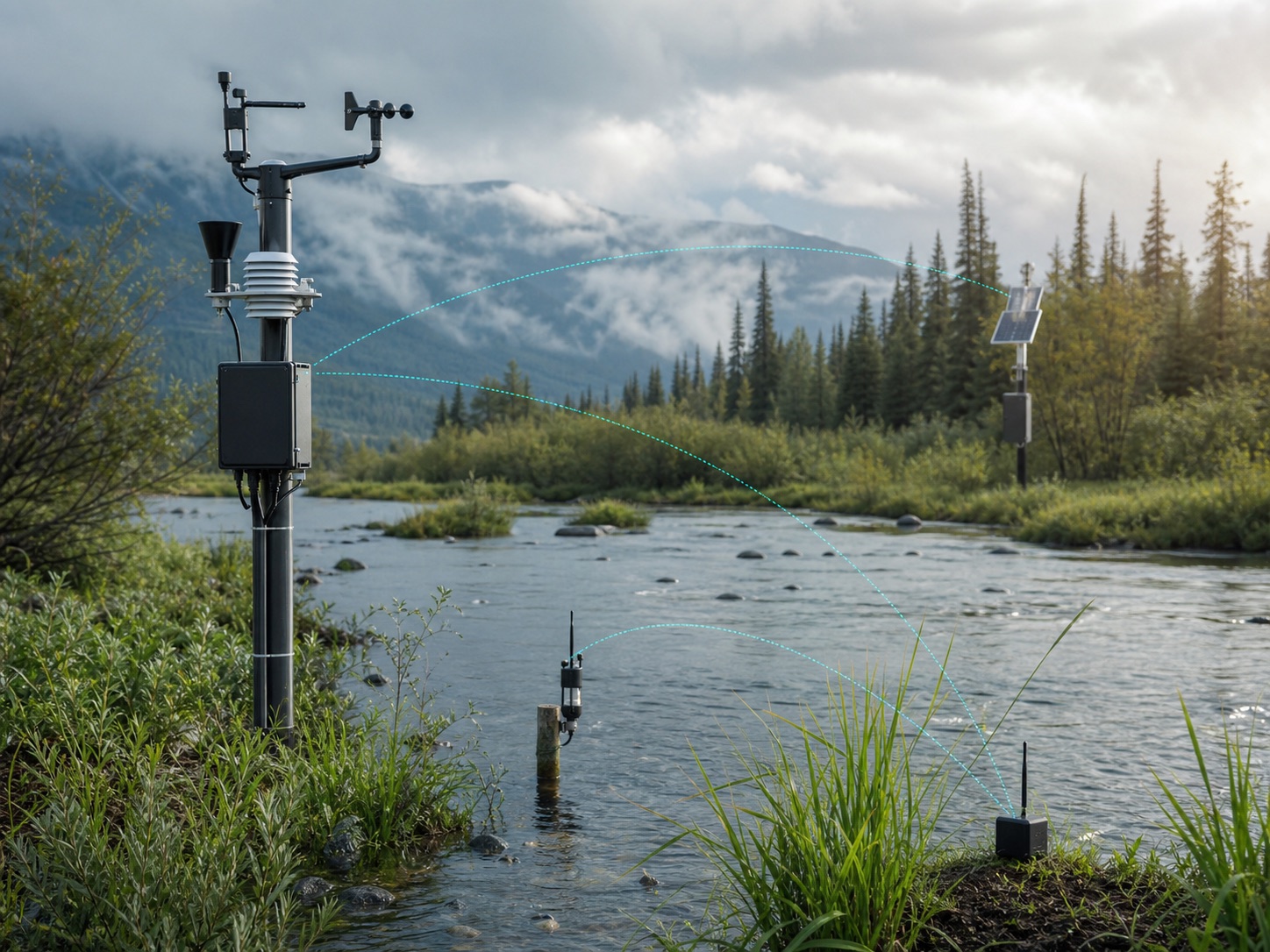
Distributed stations monitor climate, rivers, soil, air, wildfire risk and other environmental conditions across wide territories.
Climate, air, water, risk and trendsDashify centralizes the LoRaWAN application layer with asset, user, map, metric and business-process context.
DevEUI, sensor, location, owner, model, firmware and history remain linked to the asset.
Maps display gateways, devices, areas, states, incidents and signal quality.
Payloads are converted into series, KPIs, trends, comparisons and reports.
Alerts detect limits, missing communication, low battery, faults and abnormal patterns.
Events and rules generate tasks, messages, escalations, commands and operational actions.
MQTT, HTTP, APIs, databases, CRM, ERP and field services operate as integrated systems.
Work orders are opened with location, asset, diagnosis, deadline, evidence and history.
AI summarizes incidents, identifies deviations and supports prioritization and diagnosis.
Dashify conducts requirements, regional planning, coverage surveys, hardware validation, security, integration and observability under measurable technical criteria.
The team defines variables, frequency, acceptable delay, retention, alerts, commands and processes that will consume the data.
Devices, gateways, antennas, channels, sub-bands, local limits and certification are aligned before acquisition.
The design accounts for terrain, buildings, height, shadow zones, interference, redundancy, gateway backhaul and power.
Technical validation measures power, payload, accuracy, join, ADR, RX windows, enclosure, antenna and field behavior.
Dashify configures the network server, decoders, identities, maps, dashboards, alerts, flows and data retention.
Coverage, availability, installation, battery and firmware are documented and monitored before controlled network expansion.
The architecture protects identities, keys, integrations and operational actions throughout the device lifecycle.
The nominal band is not enough: gateway, node, channels, antenna and server configuration must match the region and project sub-band.
Brazilian projects commonly use AU915-928. Dashify validates the sub-band, channels and applicable certification for every device and installation site.
| Band | Formal plan | Typical market | Range |
|---|---|---|---|
| AU915 | AU915-928 | Brazil | 915-928 MHz |
| EU868 | EU863-870 | Europe | 863-870 MHz |
| US915 | US902-928 | United States and North America | 902-928 MHz |
| AS923 | AS923-1/2/3/4 | Asia-Pacific markets | 915-928 MHz |
| AU915 | AU915-928 | Australia and New Zealand | 915-928 MHz |
| CN470 | CN470-510 | China | 470-510 MHz |
| IN865 | IN865-867 | India | 865-867 MHz |
| KR920 | KR920-923 | South Korea | 920.9-923.3 MHz |
Dashify executes network architecture, hardware selection, field validation and operational integration to deliver consistent, secure and operable networks.
Dashify defines architecture, radio behavior, device classes and operational requirements before sizing products and coverage.
Technical analysis covers the entire installed stack beyond the radio and commercial range estimates.
Prototypes are validated in the final environment through coverage, power and operational behavior measurements.
Dashify documents coverage, provisioning, channel, decoding and integration criteria applied by the technical team in real projects.
The most common causes are mismatched regions, channels, versions, DevEUI, JoinEUI, AppKey/NwkKey, OTAA method, join counters or radio coverage. Technical analysis validates the full chain.
Dashify definisce il caso d'uso, valida copertura ed energia sul campo e integra la rete con mappe, dashboard, avvisi, flussi, team e sistemi aziendali.
Discuss the project