
Public lighting management
The lighting network, contracts, teams, requests, documents, indicators and daily execution are centralized in one system.
Dashify controlla pali, luminari, richieste, ordini di servizio, team sul campo, SLA, consumo energetico, servizio al cittadino, WhatsApp, voce, BI, IA e automazioni per città e operatori.
Scopri l'operazione Dashify per controllare asset, richieste, team, SLA, servizio al cittadino, BI e automazioni di illuminazione pubblica con visione territoriale.
The solution brings together public lighting management, telemanagement, fixture maintenance, work orders, citizen service, asset mapping, SLA, energy, automations and smart city capabilities.
The lighting network, contracts, teams, requests, documents, indicators and daily execution are centralized in one system.
Georeferenced light points, sensors, regions, routes, status, history and operational insights are organized on the map.
Requests received through digital channels are linked to the light point with protocol, SLA and citizen updates.
Orders, routes, materials, photos, evidence, owners, deadlines and validation support field execution.
Wattage, estimated consumption, costs and critical points generate data for efficiency and contract decisions.
Automations control SLA follow-up, recurrence, stuck status, citizen notices, recurring tasks and management reports.
The solution brings together Dashify modules for public lighting management: records, maps, requests, CRM, service, teams, automations, reports, AI, governance and indicators.
Contracts, teams, routes, tasks, work orders, deadlines, evidence, pages, catalogs and maintenance remain under operational control.
Poles, fixtures, consumption points, addresses, coordinates, owners, history, attachments and operational status are centralized.
Demand from WhatsApp, webchat, mailing, extensions, calls, forms and flows enters the operation with protocol and history.
Dashboards track service time, productivity, recurrence, costs, consumption, critical regions, backlog, quality and executive indicators.
Dashify integrates APIs, files, maps, documents, sensors, forms, internal databases, automations and marketplace components.
Profiles, users, permissions, audit trails, attachments, field evidence, status history and accountability remain controlled.
Dashify connects service, maps, technical records, dispatch, execution, evidence, finance, automations and BI to provide full visibility over public lighting operations.
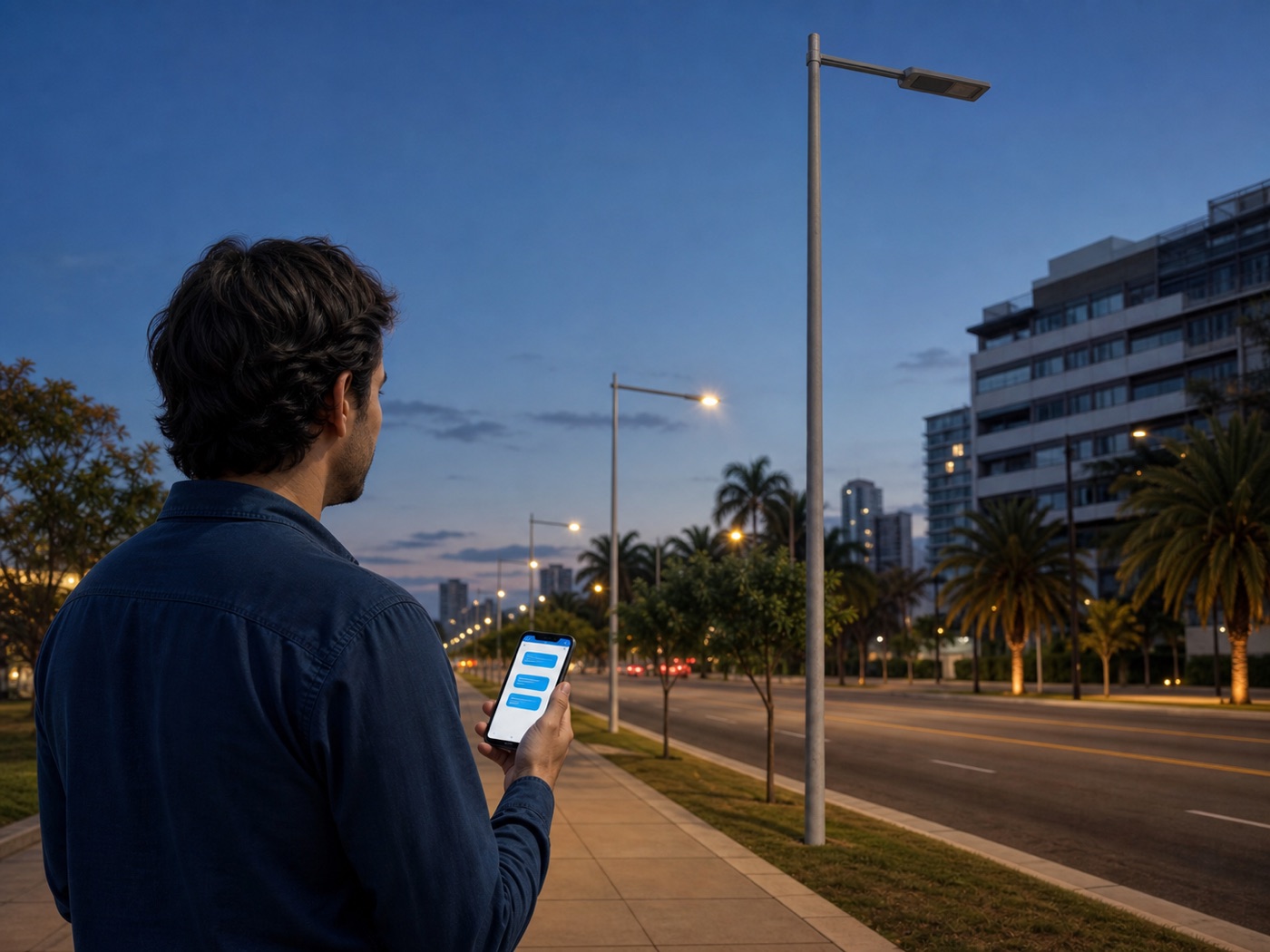
Requests are captured through WhatsApp, phone, webchat, forms, mailing, CRM and city channels.
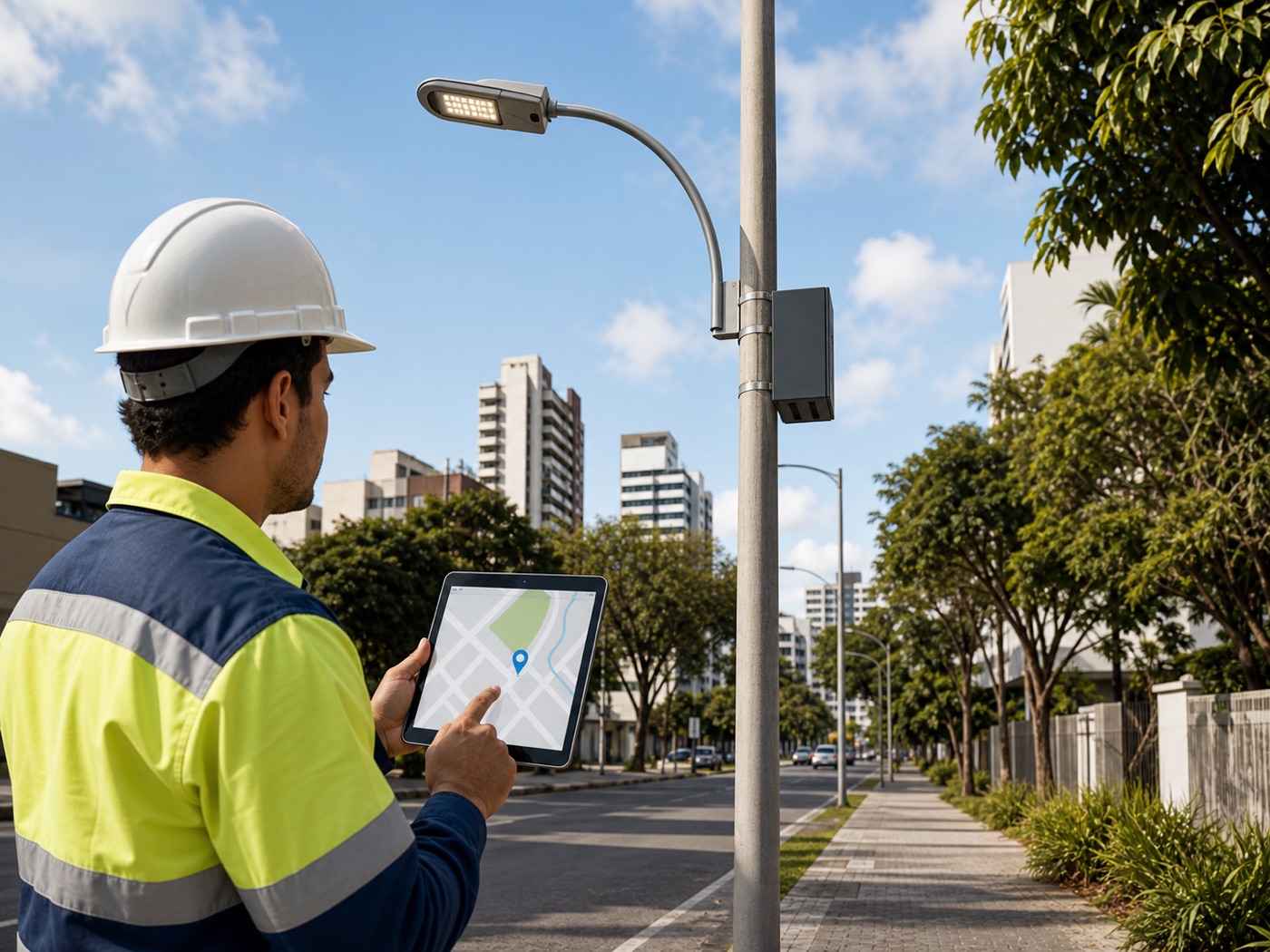
Each request is linked to the pole, fixture, address, district, coordinate, contract, priority and point history.
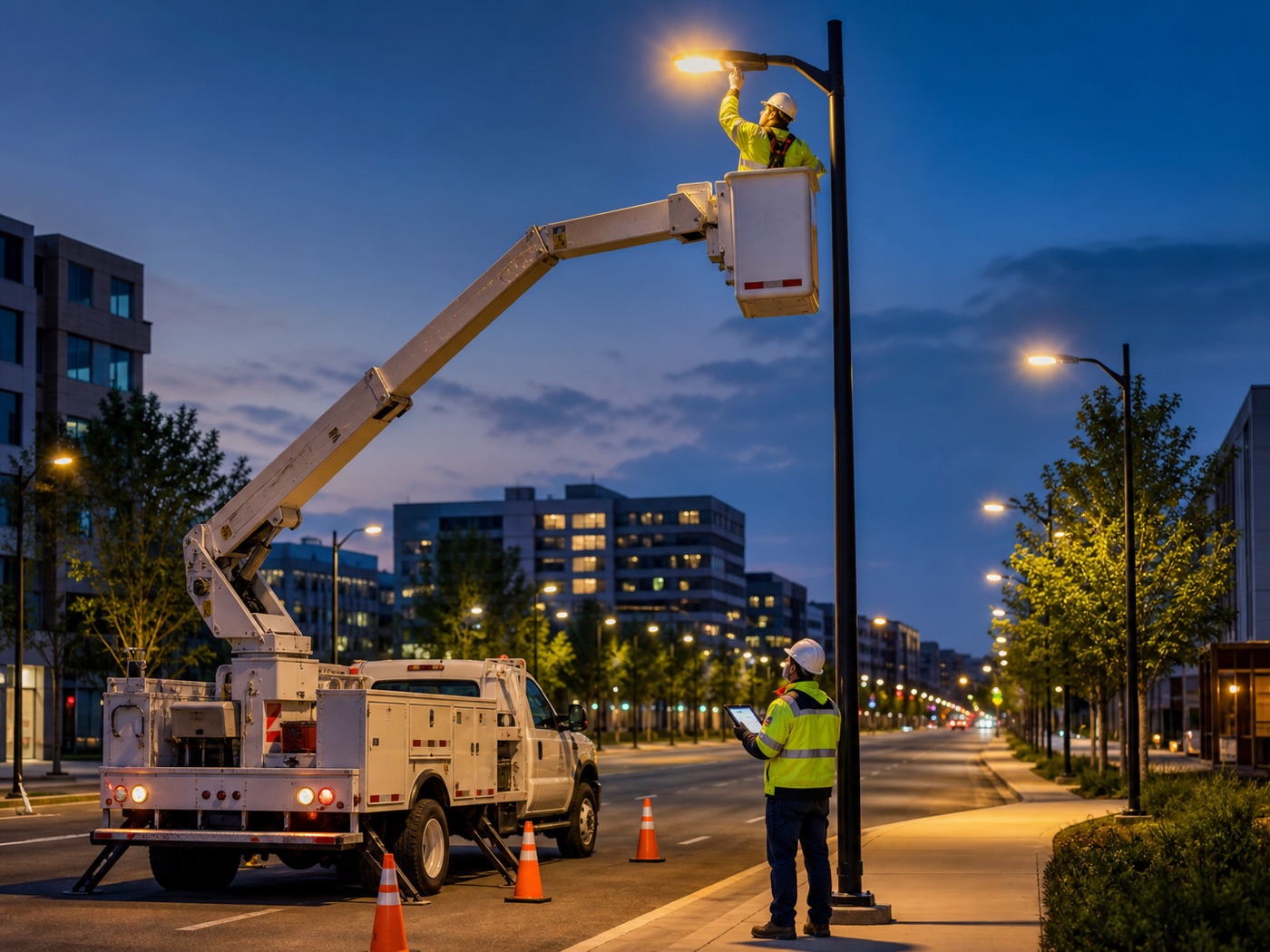
Dispatch coordinates tasks, owners, route, deadline, evidence, photos, materials, status and execution validation.
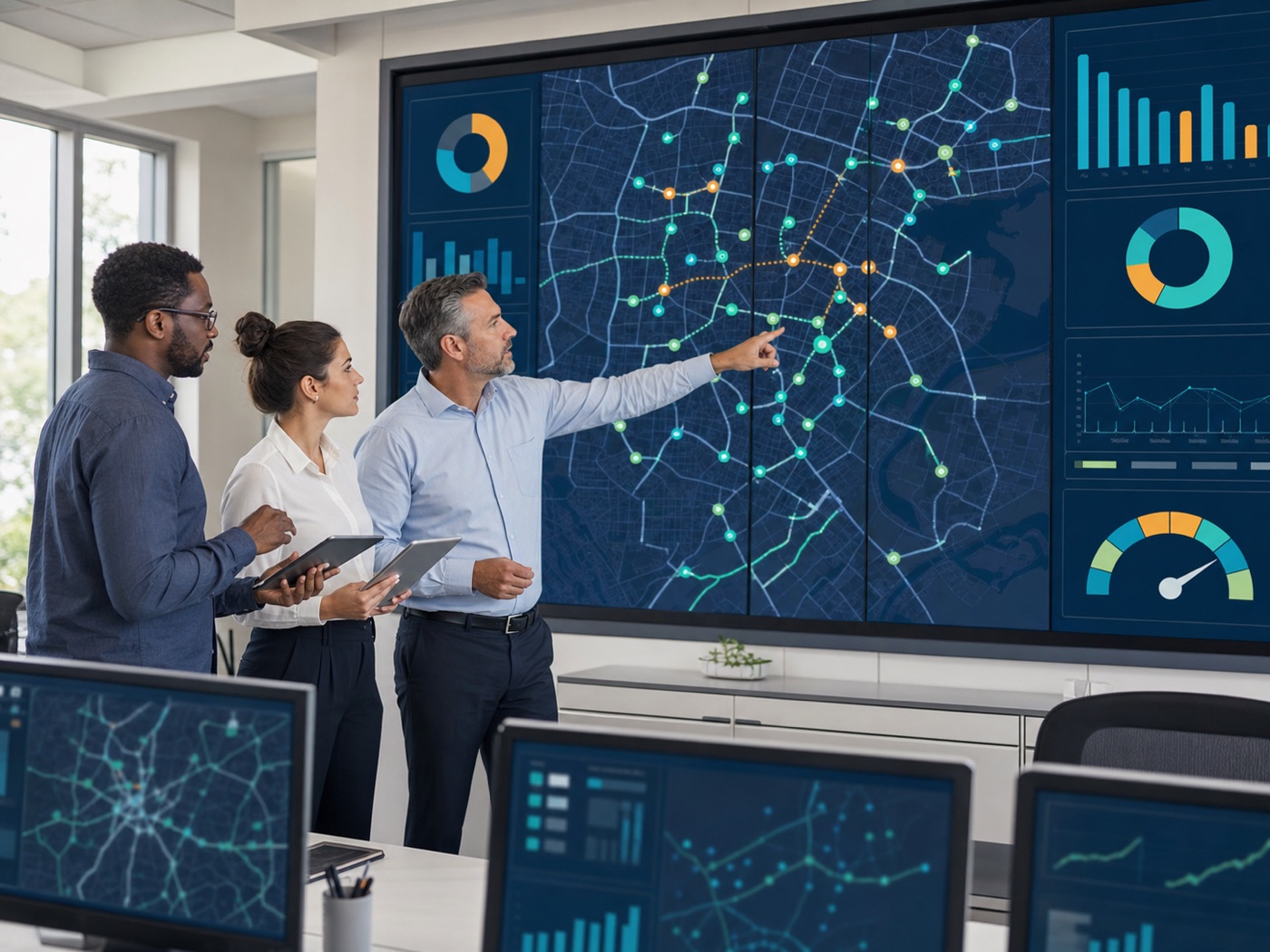
Service, execution, consumption, costs, recurrence and quality are consolidated into alerts, reports and actionable decisions.
Luminaires, cabinets, meters and distributed assets are integrated with maps, maintenance, alerts and municipal automations.
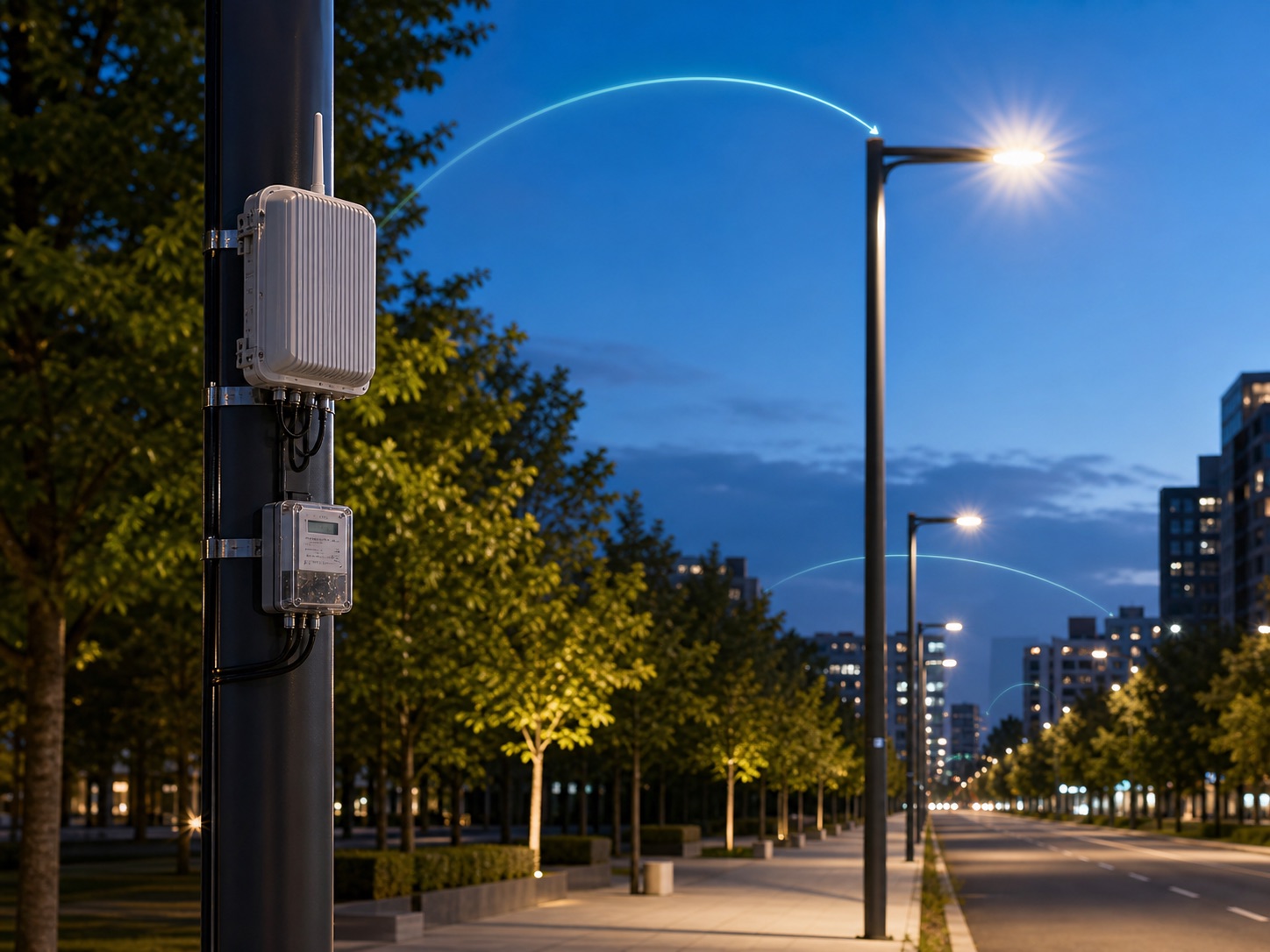
The solution monitors luminaires, faults, consumption and controller status and applies commands according to device class and operational policies.
Faults, energy, availability and commands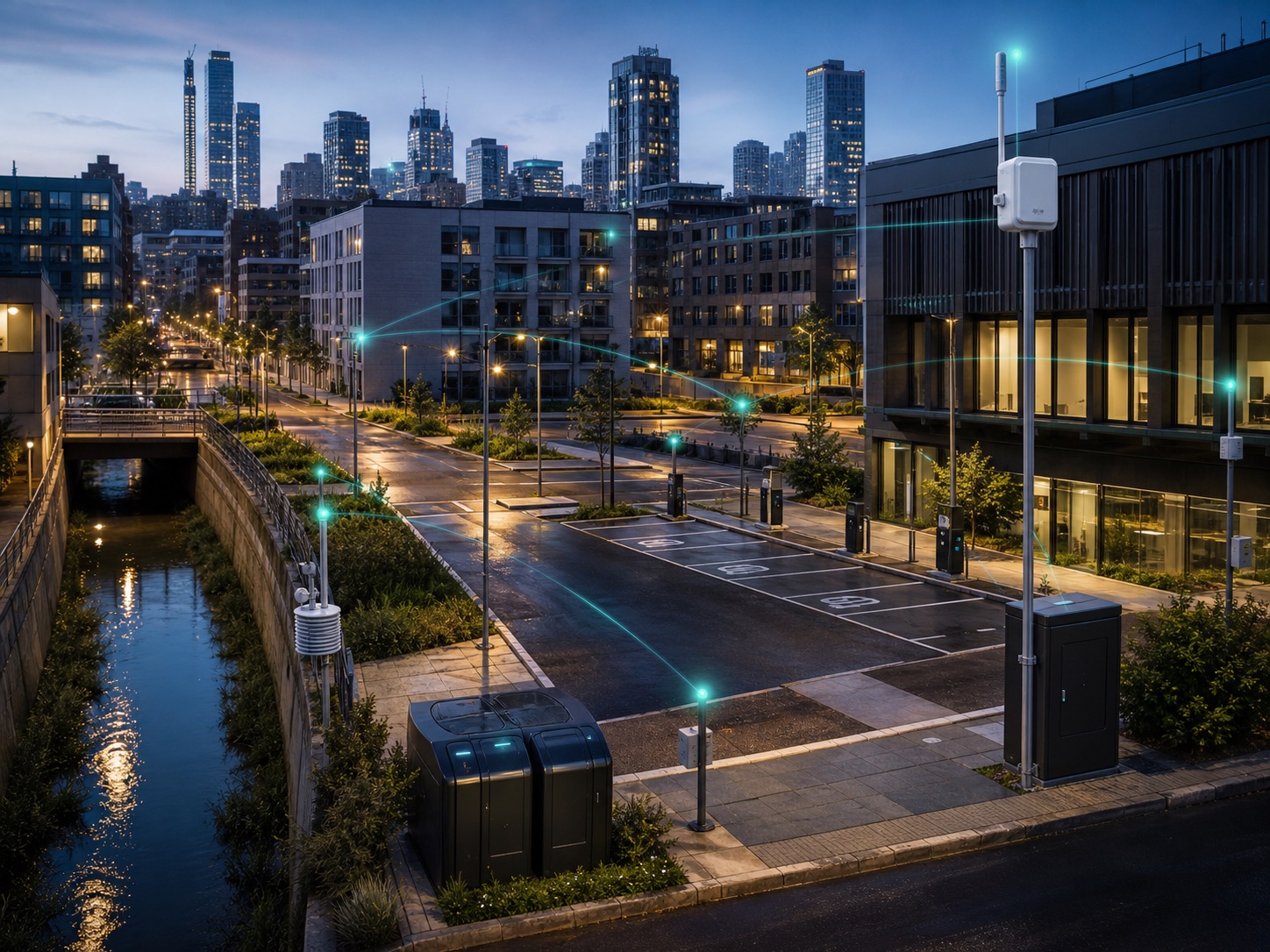
Parking, waste, air quality, flooding, noise and roadside cabinets are connected across the city.
Level, presence, environment and critical events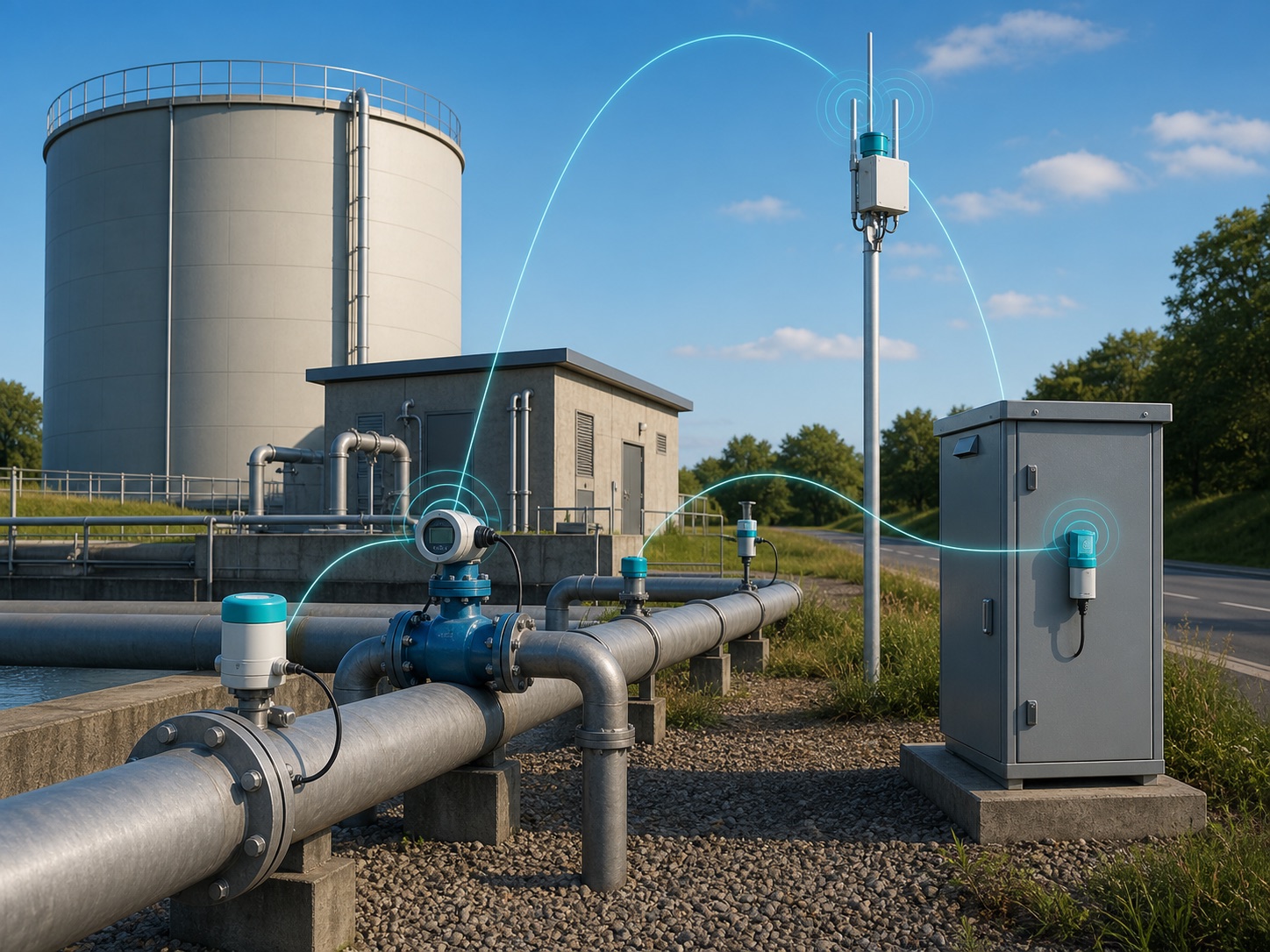
Meters, tanks, stations, pressure, leaks and electrical states are monitored across dispersed or unattended infrastructure.
Metering, pressure, level, losses and alarms
Tools, crates, slow vehicles, equipment and checkpoints receive periodic visibility without continuous streaming.
Motion, checkpoints, location and inventory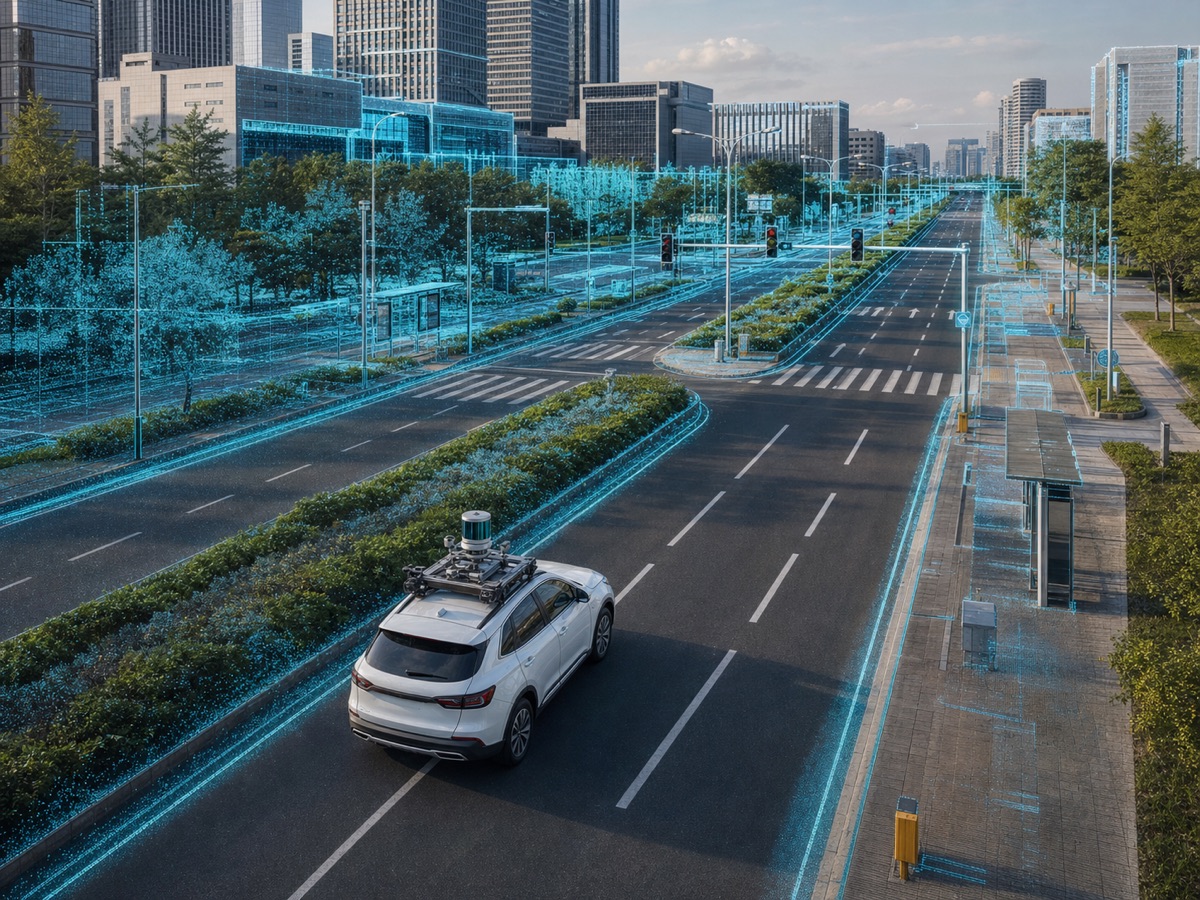
The point cloud preserves the scene's three-dimensional shape. After processing and control, it can support measurements, records, designs, inspections and maintenance decisions.
The capture covers multiple lanes, medians, intersections, signals, shelters, drainage and lighting within one three-dimensional reference.
Technical extraction delivers position, height, tilt, arm length and orientation, plus distances among assets, canopy, roadway and buildings.
The page covers system resources in public lighting language: assets, map, requests, orders, teams, communication, AI, automations, BI, energy, CRM and security.
Assets, light points, addresses, districts, coordinates, wattage, status, attachments, history and technical data remain organized.
Geographic dashboards display requests, assets, critical regions, routes, teams, recurrences and priorities.
Protocols, status, owners, deadlines, forms, evidence, materials and completion of each maintenance activity are tracked.
Field teams, vehicles, visits, routes, shifts, productivity, tasks and execution are coordinated by region.
Protocols, updates, information requests, surveys and operational notices are sent with request context.
Phone service, queues, extensions, voice-bot and call records support municipal call-center operations.
AI agents classify demand, summarize history, suggest priorities, query indicators and support operations.
Routines are triggered by SLA, recurrence, region, missing response, abnormal consumption, stuck status and recurring tasks.
Dashboards monitor SLA, productivity, requests, regions, costs, consumption, quality, teams, contracts and executive indicators.
Wattage, estimated consumption, critical points, costs, contracts and cost centers remain available for decision making.
Citizens, districts, contracts, suppliers, departments, commercial history and institutional relationships remain connected in CRM.
Profiles, permissions, documents, media, photos, attachments, audit trails and actions receive management and traceability.
Dashify connects citizen service, technical management, field teams, contracts and operational intelligence to reduce rework, delays and lack of visibility.
WhatsApp, phone, webchat, forms, mailing and CRM enter with protocol, source, priority, history and requester data.
The request is related to the asset, address, district, contract, SLA, team, route and materials needed for execution.
Teams record photos, notes, materials, completion, pending items, owner, time and maintenance validation.
Automations track SLA, pending work, recurrence, consumption, quality, citizen return and accountability reports.
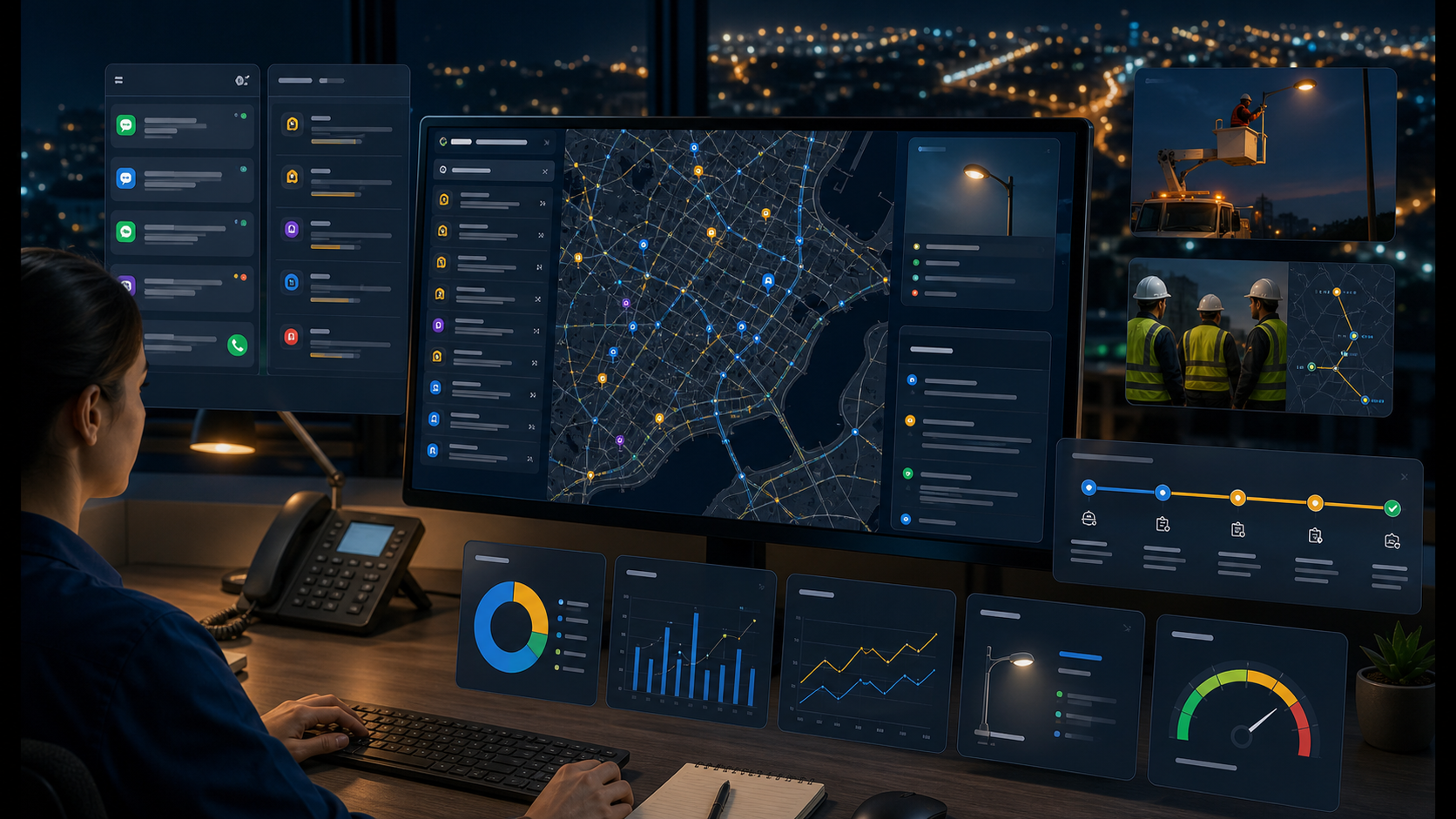
The Dashify interface acts as a public lighting command center, bringing together georeferenced maps, work orders, multichannel service, automations and operational AI.
Dashboards with assets, requests, routes, SLA, teams and indicators help managers act with territorial context.
WhatsApp, voice, notifications, protocol and history reduce service noise and increase transparency.
Agents and automations classify demand, summarize history, alert delays and suggest next actions.
The AI layer uses authorized system context to answer questions, summarize history, query assets, support triage, trigger flows and generate operational insights.
Assets, maps, requests, CRM, teams, tasks, communication, documents, finance, consumption and reports enter the same context.
Natural language queries access authorized data, explain indicators and help teams prioritize actions by SLA, region and risk.
Each action preserves user, profile, status, source, evidence, attachments, time, related asset and audit for accountability.
Straight answers about how cities, operators and lighting PPPs run their lighting infrastructure with Dashify.
Telemanagement is the remote monitoring and control of the lighting infrastructure: each luminaire or circuit reports status, failures and consumption, and can be operated remotely. In Dashify, telemanagement integrates with the asset map, service requests and work orders, turning failures into maintenance actions.
Citizens can open a request via WhatsApp, voice or other service channels. The platform locates the point on the georeferenced map, issues a protocol, tracks the status and notifies the citizen when the repair is completed.
Each request becomes a work order with location, priority, assigned team and deadline. The platform tracks the SLA of every stage, fires expiration alerts, records execution evidence and keeps a complete audit trail of the service.
Yes. Dashify serves public and private operations: city governments, concession operators and lighting PPPs. Access profiles, indicators and reports can be configured per contract, region or operating unit.
Mobile mapping with SLAM and LiDAR drives through the streets capturing 3D point clouds of poles, arms and luminaires, producing a precise georeferenced inventory of the lighting infrastructure. This registry feeds the asset map and speeds up diagnostics, retrofits and PPP proposals.
Yes. The platform consolidates energy consumption per circuit and period, compares scenarios before and after retrofits such as LED replacement, and generates efficiency reports for planning and accountability.
The same architecture behind agro, healthcare, industry, education and services can specialize data, automations, maps, journeys and indicators for smart cities.
Telerilevamento, geoprocessing, colture, rischio meteo, incendi, team, flotta e notifiche.
Dashboard di produzione, manutenzione, asset, efficienza e operazioni industriali.
Indicatori per cliniche, percorsi di cura, qualità e assistenza continua.
Telemanagement, assets, requests, maintenance, teams, SLA, energy, automations and smart city operations.
Chatbot, WhatsApp, Instagram, webchat, AI voice, VoIP, call center, flows, CRM and analytics.
Gestione di corsi, iscrizioni, apprendimento, retention e relazione con studenti.
Dashboard per assistenza, finanza, produttività, contratti e operazioni quotidiane.
Dashify collega asset, richieste e canali di assistenza e consegna mappa, gestione team, SLA, BI, IA e automazioni in un unico ambiente.